Attic Ventilation: Why It Matters More Than You Think
Bad attic ventilation causes problems year-round: ice dams in winter, insane heat in summer. Here's how to tell if yours is working right.
Want a straight answer about your own roof?
Free inspection, written report, no sales pitch. We cover Johnson, Douglas, Wyandotte and Leavenworth counties.
Your attic is supposed to breathe. Hot air rises, escapes out the top, and cooler air gets pulled in from below. That's the basic idea, and when it works right, you don't even think about it. But when it doesn't work, and we see this on a lot of homes around the KC metro, the problems show up everywhere. Your energy bills go up, your shingles age faster, and in winter, you get ice dams that can cause real damage.
How attic ventilation is supposed to work
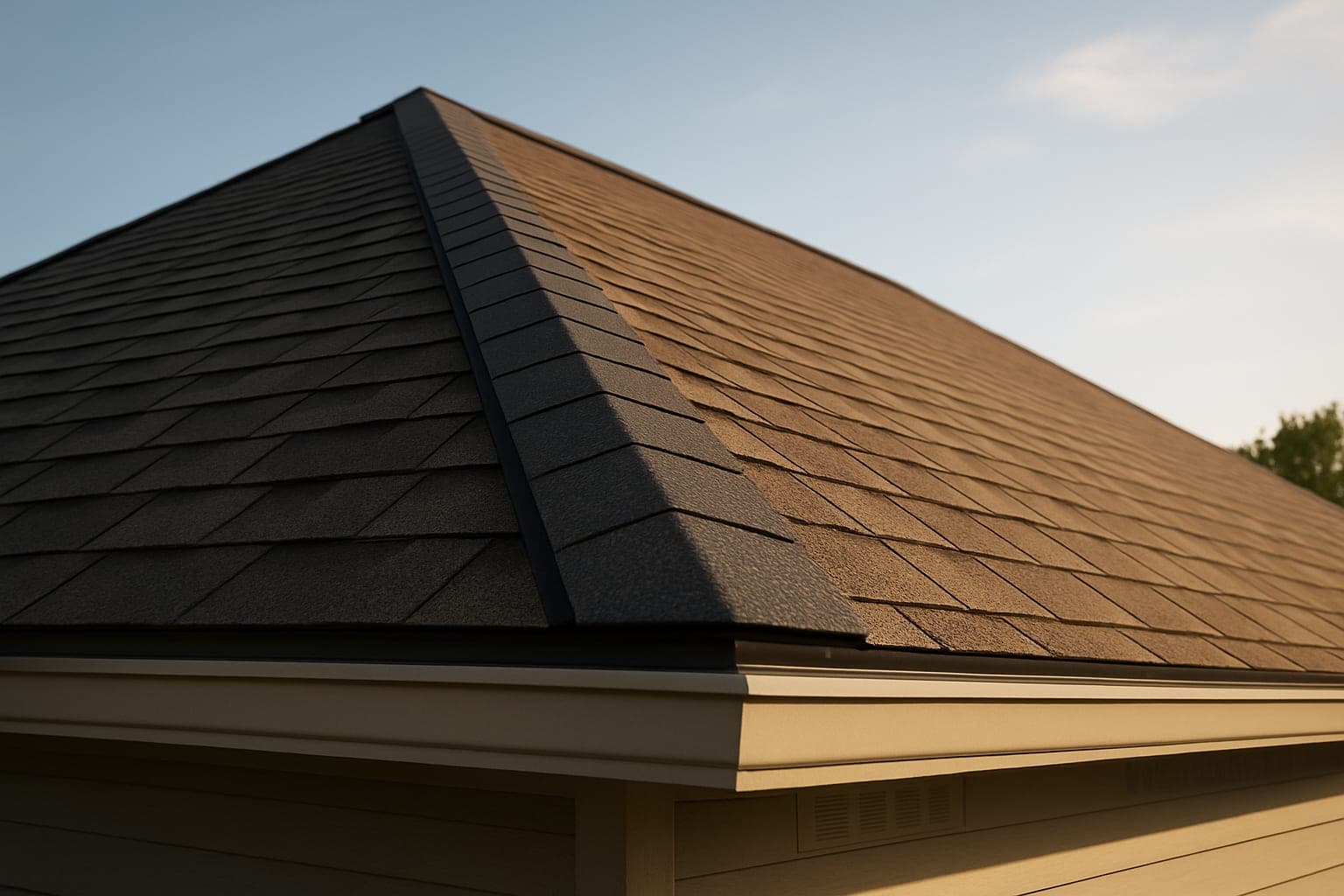
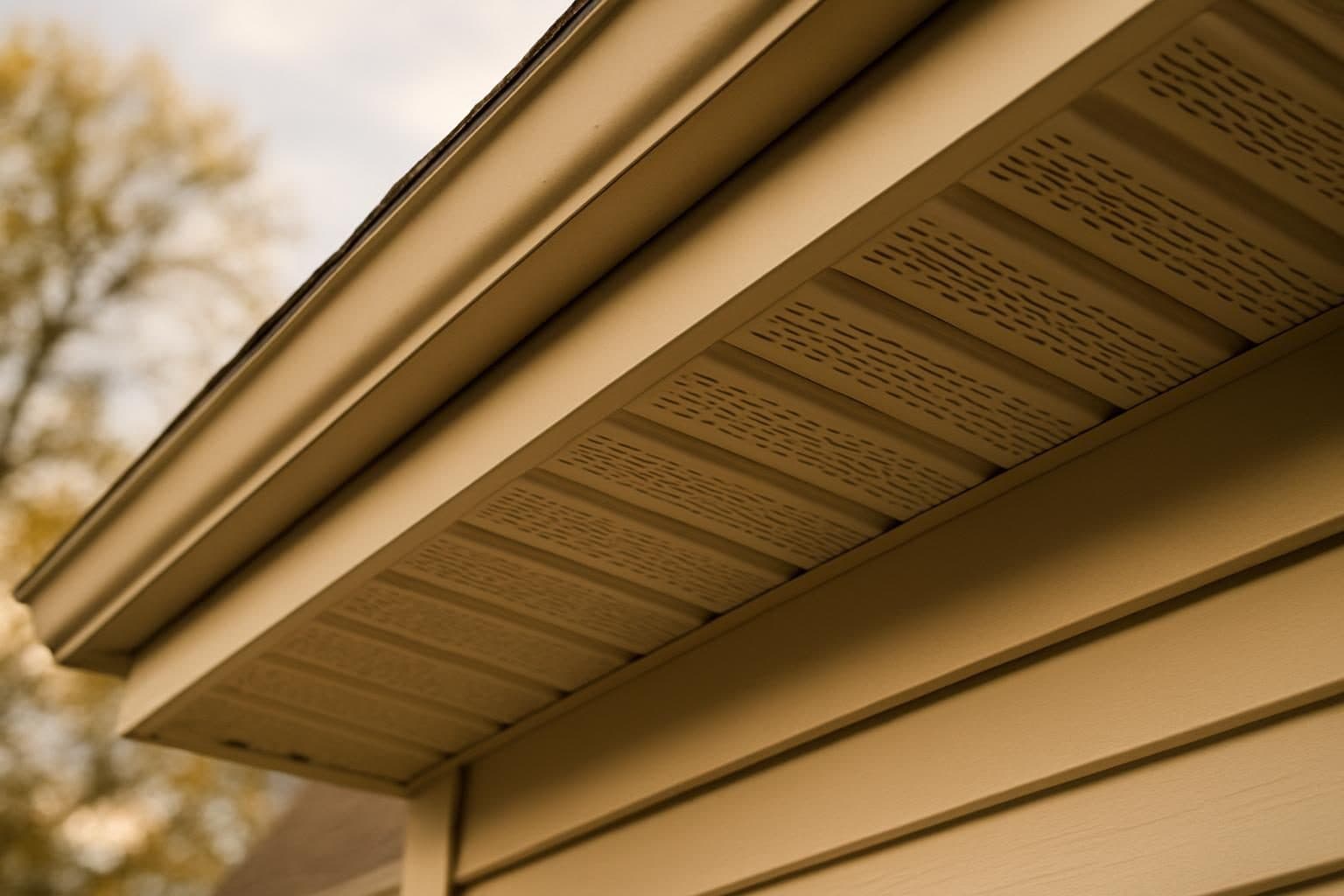
The system is simple. Soffit vents along the eaves at the bottom of the roof let outside air in. Ridge vents along the peak let hot air out. As the sun heats your roof, the air in the attic warms up and rises naturally. Fresh cooler air gets pulled in through the soffits to replace it. That constant flow keeps the attic temperature closer to the outside temperature, which is what you want. Your attic isn't supposed to be warm in winter or brutally hot in summer, it should be pretty close to whatever it is outside.
How attic ventilation works
Soffit vents at the eaves pull cool air in
Ridge ventat the peak lets hot air out. An unvented attic hits 150°F on a 95° day.
What happens when ventilation is bad
In summer, an under-ventilated attic traps heat. We've measured attic temperatures over 160 degrees in Johnson County homes with poor airflow. That heat radiates down through your ceiling, makes your AC run constantly, and bakes your shingles from underneath. In winter, the problem flips. Warm air from your living space rises into the attic and heats the roof deck unevenly. Snow on the roof melts, runs down to the cold eaves, and refreezes into ice dams. Those ice dams block drainage, force water back up under the shingles, and that's when you get leaks, sometimes serious ones.
- Attic feels noticeably hotter than it should in summer
- Ice dams forming along the eaves in winter
- Moisture or frost visible on the underside of roof decking
- Mold or mildew in the attic
- Shingles curling, cracking, or aging prematurely
- Energy bills that seem higher than they should be
How we fix it during roof replacements
When we're doing a full roof replacement, ventilation is one of the first things we evaluate. A lot of older homes in the area either don't have ridge vents at all (just a few box vents or turbines) or have soffits that were never properly vented. During a tear-off, we have the perfect opportunity to add continuous ridge vent along the peak and make sure the soffit vents are open and functioning. It's one of those upgrades that doesn't cost a lot extra during a re-roof but makes a real difference in how long the new roof lasts and how comfortable your house is year-round.
Think your attic ventilation might be off? We can take a look when we inspect your roof. It's all part of the process. Call us at (913) 954-4501.
Want a straight answer about your own roof?
Free inspection, written report, no sales pitch. We cover Johnson, Douglas, Wyandotte and Leavenworth counties.