Commercial Roofing
TPO, EPDM and modified bitumen roofing for commercial buildings in Shawnee, Lawrence, Olathe, Overland Park and the wider Kansas City metro. Inspections, maintenance, repair, replacement and emergency leak response, from a Class A General Contractor licensed in Johnson County, Kansas.
What counts as a commercial roof here
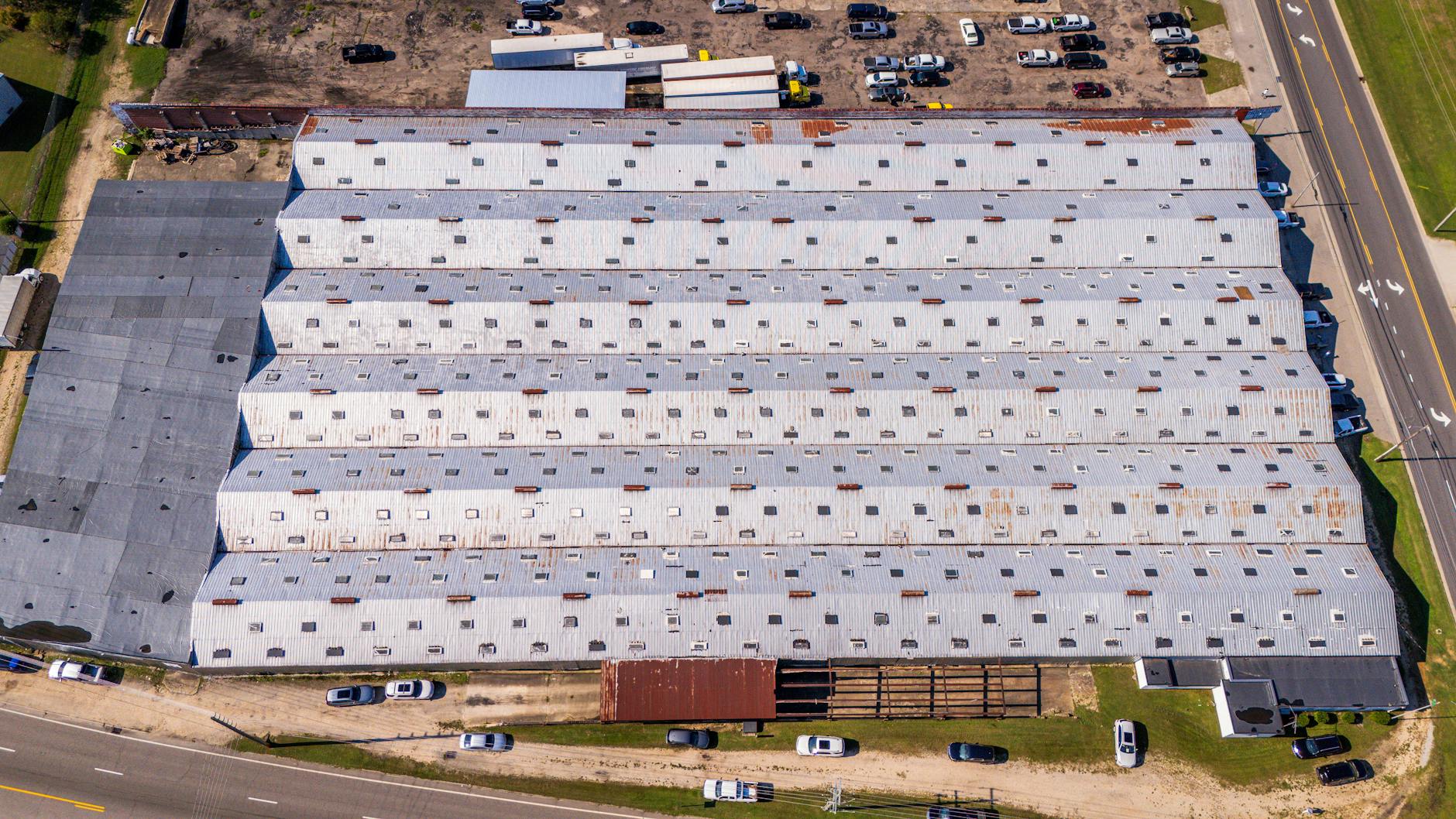
Almost every commercial building in the Kansas City metro carries a flat or low-slope roof, and a low-slope roof is a different trade from the shingle work on a house. It sheds water by drainage rather than by pitch, it is built from membrane rather than from overlapping courses, and it fails in different places for different reasons.
MCO Roofing works on that low-slope membrane work: churches, restaurants, retail and office buildings, and the flat sections attached to buildings that are otherwise pitched. Meer Co Construction LLC, trading as MCO Roofing, holds a Class A General Contractor license issued by Johnson County, Kansas. Commercial scoping starts with a site visit rather than a phone estimate, because the number turns on detail work a photo will not show.
If your building has a steep-slope or specialty roof, or a scale beyond membrane work, say so on the first call and we will tell you plainly whether it is a fit. That is a faster answer than a bid that goes quiet.
Membrane systems
TPO
A white single-ply membrane, heat-welded at the seams. The reflective surface cuts summer heat gain on a building with conditioned space underneath, which is why it dominates new low-slope work in the metro.
EPDM
Black synthetic rubber, and the single-ply with the longest track record. It tolerates Kansas temperature swings well and repairs cleanly, which often makes it the practical answer on an older building.
Modified bitumen
An asphalt-based sheet installed in plies. Common on smaller commercial roofs and on the flat sections attached to an otherwise pitched building, and specified with walk pads where crews service rooftop equipment.
Coatings and restoration
Where the membrane and the insulation below it are still sound, a compatible fluid-applied coating buys years for well under replacement cost. We will tell you honestly which side of that line your roof is on.
Where commercial roofs actually fail
A commercial roof almost never gives way in the middle of the membrane. It gives way at the details, and it usually gives warning well before the ceiling tile stains.
Ponding water
A working low-slope roof is pitched toward its drains. Water still standing 48 hours after rain, the trade's usual warning benchmark rather than a code test, points at lost fall, a blocked drain or wet insulation. Standing water then works on every weak seam it can reach.
Penetrations and curbs
Commercial roofs rarely fail in the open field of the membrane. They fail at the details: rooftop units, drains, scuppers, curbs, pipe boots and the flashing around them. That is where an inspection spends its time.
Hail bruising
Hail strikes a low-slope membrane far more squarely than it strikes a steep roof, and the bruising is invisible from the parking lot. After a serious hail event a flat roof deserves an inspection even when nothing has leaked yet.
What we do on commercial buildings
Commercial roof inspection
A walk of the full membrane, seams and every penetration, with a photo report showing what was found and where. Free, and with no obligation attached.
How our inspections workMaintenance
Drains and scuppers cleared, flashing resealed before it opens, ponding corrected where it has started to sit. On a low-slope roof this is the work that keeps a repair from becoming a replacement.
Ask about a maintenance visitRepair and leak tracing
Finding a commercial leak is rarely a matter of looking directly above the stain. Water travels along the deck and the insulation before it drops, so tracing starts at the penetrations uphill of where it shows.
Roof repairReplacement and re-cover
Full tear-off to the deck, or a re-cover where the existing system and the deck below still allow one. Which is appropriate depends on how many roofs are already up there and how wet the insulation is.
Flat and low-slope systemsCommercial roofing across Johnson County and Lawrence
MCO Roofing is based at 7134 Millbrook Street in Shawnee, which puts most of Johnson County inside a short drive. Commercial work runs across Shawnee, Overland Park, Olathe, Lenexa, Merriam, Mission and Leawood, west to Lawrence, north into Leavenworth, and across the state line into Kansas City, Missouri.
Two local rules are worth knowing before a commercial reroof. Permits are issued by the city rather than the county, and the residential exceptions people quote do not carry over: the reroof-to-deck exception in Olathe is written for one- and two-family homes, and commercial buildings follow a different set of rules. We confirm what applies to your specific address before work starts rather than assuming. Johnson County issues building permits only for unincorporated areas, but it is the authority that licenses contractors, which is the licence worth asking any bidder to produce.
Commercial roofing questions
Does MCO Roofing work on commercial buildings?
Yes. MCO Roofing works on low-slope and flat commercial roofs across the Kansas City metro, including TPO, EPDM and modified bitumen systems. Meer Co Construction LLC, trading as MCO Roofing, holds a Class A General Contractor license issued by Johnson County, Kansas. Tell us the building type and roof size on the first call and we will say plainly whether it is a fit.
What commercial roof systems do you install and repair?
Three membrane systems cover most commercial buildings in Johnson County. TPO is a single-ply white membrane that reflects heat and is the most common choice on new low-slope work. EPDM is a black rubber membrane that handles temperature swings well and is often the practical choice on older buildings. Modified bitumen is an asphalt-based system installed in layers, common on smaller commercial roofs and on flat sections attached to pitched buildings.
How often should a commercial roof be inspected?
Twice a year is the standard interval for a low-slope commercial roof, typically once in spring after the freeze and thaw season and once in fall before winter. Kansas adds a third trigger: inspect after any significant hail or wind event. Flat roofs hide damage that a pitched roof would shed visibly, so a membrane can be punctured for months before it shows up as an interior leak.
What does a commercial roof inspection include?
A walk of the full membrane surface, the seams, and the flashing at every penetration. Rooftop units, drains, scuppers, curbs and pipe boots are where commercial roofs actually fail, not usually in the open field of the membrane. You get a photo report documenting what was found and where. Inspections are free and carry no obligation.
Do you offer commercial roof maintenance?
Yes. Maintenance on a commercial roof is mostly drainage and seam work: clearing drains and scuppers, resealing flashing before it opens up, and correcting ponding water where it has started to sit. On a low-slope roof this is the difference between a repair and a replacement, because standing water is the single most reliable way to shorten a membrane's life.
Can you handle an emergency commercial roof leak?
Yes. Emergency response covers commercial buildings as well as homes, including tarping and temporary sealing to stop water entering the building while a permanent repair is scoped. Call (913) 954-4501. See the emergency roof repair page for what happens on the first call.
Do you work with insurance on commercial storm damage?
MCO can document visible membrane conditions and provide a written estimate. We can attend the adjuster inspection to answer roof-scope questions. Your policy and insurer determine coverage and settlement. Before signing, confirm the claim treatment with your insurer and review the construction contract.
How is commercial roofing priced compared with residential?
Commercial roofs are priced by the square foot of membrane plus the detail work, and the detail work is what moves the number. Two 10,000 square foot roofs can differ substantially in cost based on how many rooftop units, drains and penetrations have to be flashed. That is why commercial pricing needs a site visit rather than a phone estimate.
Commercial roofing across the metro
Same crew, same standards, wherever you are. Your city page covers local codes, permit rules and what we see on roofs in your neighborhoods.
Request a roof inspection
Free inspections across the Kansas City metro, in Kansas and Missouri.
First responder & veteran credit: see eligibility and terms