Find practical answers about leaks, inspections, replacement and caring for your roof. Each answer links to the next useful step for your Kansas or Missouri property.
What a roof costs
How to compare scope, materials and payment terms before choosing a bid.
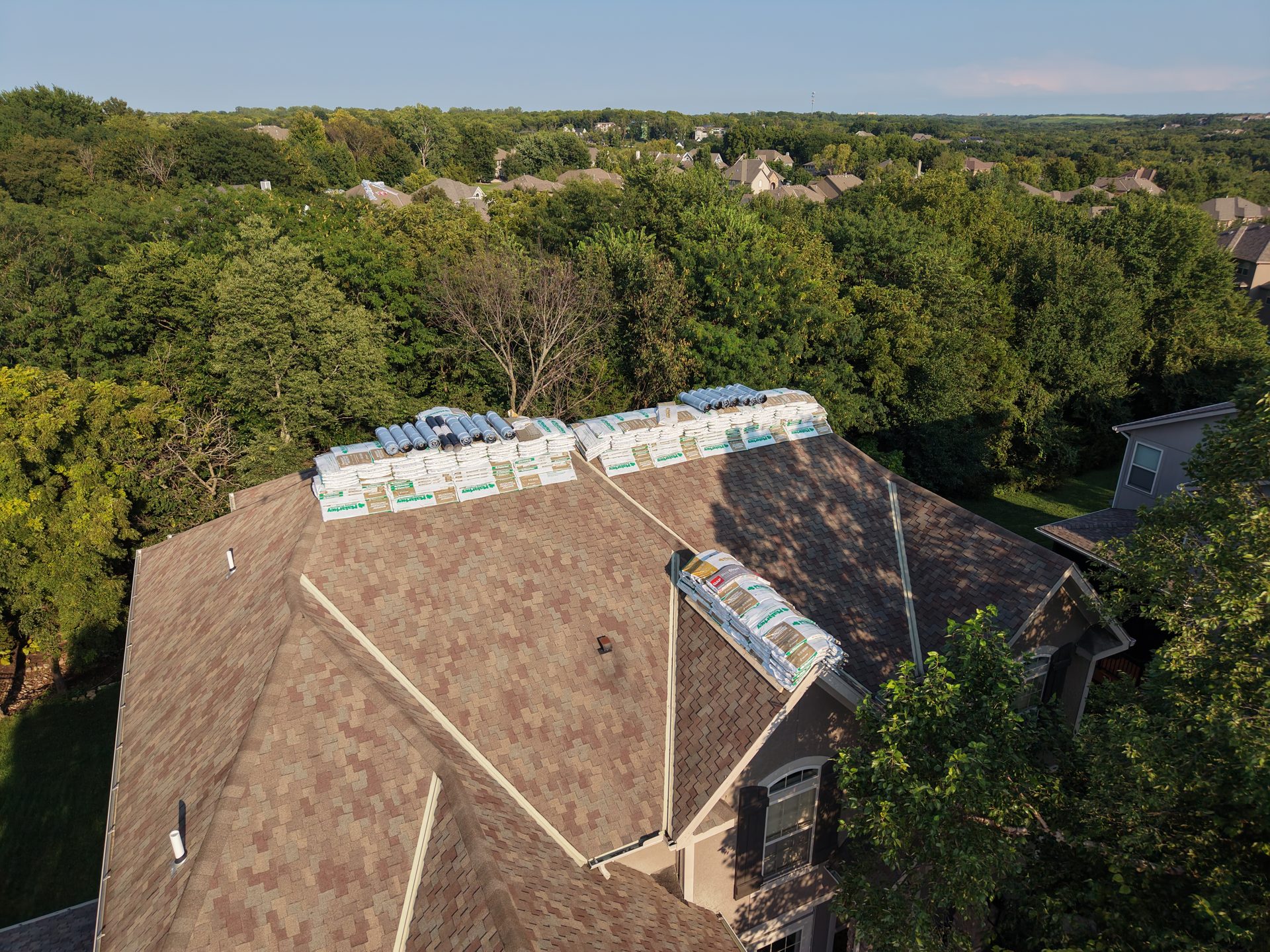
Materials staged for a replacement. The roof's size, slopes, and intersections all belong in the scope.
Is $25,000 a lot for a new roof?
A $25,000 roof quote can be reasonable, but the price alone does not show whether the scope fits your home. Roof area, pitch, material choice, access and any decking repairs all affect cost. Compare written scopes and measurements, not just totals.
Ask the contractor to itemize the work and explain the main cost factors. Our cost guide provides MCO planning estimates; your roof needs its own measured scope.
What is the most expensive part of replacing a roof?
Labor and materials are major parts of a replacement estimate. Their share changes with roof size, pitch, access, product choice and the work found during tear-off. Ask for a written scope that separates tear-off, disposal, materials, installation and any decking allowance.
A lower total may reflect a different scope. Compare the specified products, repairs, cleanup and warranty terms before deciding.
What is the cheapest time of year to get a new roof?
There is no guaranteed cheapest season. Ask about current scheduling and compare written estimates for the same work. Do not postpone an active leak just to wait for a possible discount.
Installation temperature, storage and sealing requirements depend on the exact product. Ask how the crew will follow the manufacturer's instructions in the expected weather.
Can you negotiate the price of a new roof?
Ask how material choices, timing or optional work affect the written estimate. If the scope or price changes, get a revised document that shows what is included before signing. A price change alone does not establish whether a bid is fair.
On an insurance claim there is far less room. Your deductible and coverage obligations come from your policy and insurer. Any discount and the total project cost should be documented truthfully in the written contract and final invoice. Before signing, confirm the claim treatment with your insurer.
Do roofers overcharge?
A total price alone cannot establish whether a roofer is overcharging. Compare written measurements, products, labor, tear-off, disposal, repair allowances and warranty terms. Ask the contractor to explain large differences between otherwise comparable estimates.
Take time to review the contract. Pressure to sign before you understand the scope is a reason to pause and ask questions.
How many estimates should you get for a roof replacement?
Comparing several written estimates can help you understand the scope and price. Make sure they cover the same products, tear-off, flashing, ventilation, decking allowances and cleanup. Address urgent water entry while you compare longer-term options.
How to pay for a roof when you can't afford it?
Four routes may be available: insurance if your insurer confirms coverage, contractor financing, a home equity line, or phasing the work by repairing the failing slope now and replacing later. Review the terms and total cost of any option before committing.
Payment methods and schedules vary by contractor. Ask which methods are accepted, whether fees or discounts apply, and when payments are due. Record the agreed terms in the contract and keep receipts for every payment.
Do not assume a payment method proves workmanship or trustworthiness. Verify the contractor, scope and written terms separately.
What is the best roof for your money?
The best fit depends on your roof slope, condition, budget, maintenance needs and the exact product system. Compare complete installed scopes and written warranty terms. Ask what changes if you choose a different material instead of relying on a category-wide lifespan or wind claim.
How long does it take to replace a roof on a 2000 square foot house?
House floor area does not tell you the roof area or installation time. Roof pitch, access, tear-off layers, decking repairs and weather affect the schedule. Ask for a project-specific duration and how the crew will protect exposed areas if work is interrupted.
Check the company, written scope and credentials for your address.
How to tell if a roofer is lying?
Ask for photos of the specific conditions on your roof and a written explanation of the proposed work. Verify the credentials required at your address with the issuing authority. If a claim or recommendation is unclear, ask for the source or a second assessment.
A photo report should identify the observed condition and location. It should distinguish an observation from a cause that has not been confirmed.
Pause if a contractor will not provide a written scope, explain payment terms, identify the company doing the work or let you verify relevant credentials and insurance. Ask questions before signing; a low bid or an unfamiliar phone number alone does not establish poor work.
Confirm requirements with the state and local authority for the property address, and verify any claimed credentials directly with their issuer.
How to spot a rogue roofer or storm chaser?
After a storm, verify the company before authorizing roof access or signing. Ask for its business identity, applicable credentials, insurance and a written scope. Be cautious about pressure to sign immediately or promises about what your insurer will pay.
What are some signs a roofer is reputable?
Look for clear written scopes, verifiable credentials where required, current insurance information, references you can check and written warranty terms. Ask who will perform the work and how questions, unexpected repairs and later service requests are handled.
What to watch out for in a roofing contract?
Check the exact product, tear-off and disposal, underlayment, flashing, ventilation, decking repair pricing, cleanup, payment schedule and written warranties. Ask how unexpected work will be documented and approved before it adds to the price.
Confirm the permit authority for your address and identify who will obtain any required permit and arrange inspections. City and unincorporated county requirements can differ.
Should I accept a free roof inspection?
Ask who will inspect the roof, what the visit includes and whether you will receive photos and written findings. Verify the company before authorizing roof access. A free inspection should help you understand the condition and proposed next step.
Ask for the findings and any estimate in writing so you can review them before deciding on work.
Look from the ground for loose materials, visibly uneven work, debris or new water entry. Ask the contractor to explain flashing, roof-edge and ventilation details against the agreed scope and product instructions. An inspection can help assess concerns that are not visible from the ground.
A ranking or award does not establish which contractor fits your roof. Compare verifiable credentials, relevant references, written scopes, communication and warranty terms. Ask who issued a ranking and how it was determined.
How to find the best roofers?
Compare contractors who can explain your roof condition and provide a written scope. Verify relevant credentials and insurance, check references and read warranty and payment terms. Ask how they handle unexpected repairs and service after installation.
Code, layers and permits
Confirm the authority and requirements for your address and proposed work.
What is the 25% rule for roofing?
Do not treat 25% damage as an automatic replacement requirement for a Kansas City metro roof. A percentage by itself does not establish the applicable local rule or whether a repair is suitable. Ask the building department for your address to identify the adopted requirements for the proposed work.
MCO assesses the roof condition and provides a written scope. Confirm code requirements with the local authority and coverage questions with your insurer before relying on a percentage-based recommendation.
Is it okay to have three layers of shingles on a roof?
Do not assume another layer is permitted or suitable. Existing layers, deck condition, structural capacity, the proposed product and local requirements all matter. Have the existing assembly assessed before choosing a recover instead of tear-off.
Ask the contractor to explain the proposed assembly and confirm the applicable requirements with the permit authority for your address.
Can I reroof over existing shingles?
A recover needs an assessment of the existing layers, roof condition, structural capacity and the proposed product instructions. Tear-off exposes the deck for inspection. Ask why the proposed approach is appropriate and confirm local requirements before agreeing to it.
Do not select roof decking thickness from a general rule alone. The panel rating, support spacing, loads, existing assembly and applicable requirements determine the specification. Ask the contractor to document the proposed decking and any structural repair before installation.
How many bundles of shingles does it take to do a 20x20 roof?
A flat 20-by-20-foot rectangle is 400 square feet, or four roofing squares. Bundle coverage varies by product. Measure the actual sloped roof area, use the product coverage information and allow for the roof layout, cuts, starter and ridge materials.
What is the first rule of roofing?
Plan how water will drain at every roof surface, edge and joint. Underlayment, flashing and roof coverings need to work together according to the system instructions. An inspection should investigate the water path instead of assuming the visible ceiling stain marks the entry point.
Does Missouri require roofing contractors to be registered?
Verify the current requirements for the property address with the appropriate state and local authorities. Ask which credentials, permits and inspections apply to the proposed scope. Do not assume a Kansas credential answers the requirements for a Missouri job.
Kansas City, Kansas and Kansas City, Missouri are separate service areas. Give the full address and state when asking about local requirements.
Do I need a permit to replace a roof in Johnson County?
Start with the property address and the exact work proposed. Johnson County directs applicants in incorporated cities to their city planning department; its county permit process applies to unincorporated addresses. Ask the relevant department to confirm permit and inspection requirements before work starts.
Contractor credentials, permit requirements and inspections are separate questions. Confirm each with the relevant issuing authority.
Warranty years and real years are not the same number.
Does a 30 year roof really last 30 years?
A year label or warranty period does not guarantee the roof will remain serviceable for that long. The exact product, installation, ventilation, maintenance and exposure affect condition. Use an inspection and the written product warranty when planning replacement.
There is no reliable lifespan for every shingle carrying the same year label. Product, installation, roof ventilation, weather exposure and maintenance vary. Assess the roof condition and read the exact warranty rather than subtracting a fixed number of years.
Is there really a 50-year shingle?
Some shingles are marketed with 50-year or lifetime warranty language, but that label does not establish universal coverage or service life. Read the written warranty for the exact product to see its covered defects, duration, proration and installation conditions. Those product terms control.
Is a 20 year old roof too old?
Not automatically, but it is worth inspecting. Condition and installation matter more than a single age cutoff. Insurance treatment is policy specific, so ask your insurer whether roof age affects coverage, valuation or renewal terms.
Are old shingles still good?
Age alone does not settle the question. An inspection can assess cracking, loose or missing shingles, exposed areas, flashing and signs of water entry. The extent of deterioration and whether a sound repair can be made help determine the next step.
What roof color lasts the longest?
Color alone is not a reliable way to predict service life. Compare the exact product, installation requirements, ventilation and written warranty. Choose a color using actual samples, your home's exterior and any applicable association requirements.
What color roof increases home value?
There is no roof color that guarantees a higher sale price. Consider the home's siding, brick, neighboring roofs, actual product samples and any association requirements. A local real estate professional can advise on buyer preferences for your specific property.
What color roof makes a house look bigger?
Roof color changes how the roofline looks, but the effect depends on the house, lighting and surrounding materials. Compare physical samples outdoors against your siding and trim before deciding.
What roof shingles to stay away from?
Compare each shingle's published wind rating with the roof system and installation requirements instead of relying on a category label. With discontinued or unfamiliar products, future color matching and warranty support may be harder to verify. Read the exact product documents before choosing.
Insurance and storm claims
Questions to ask your insurer about roof age and documentation. It also covers payment terms.
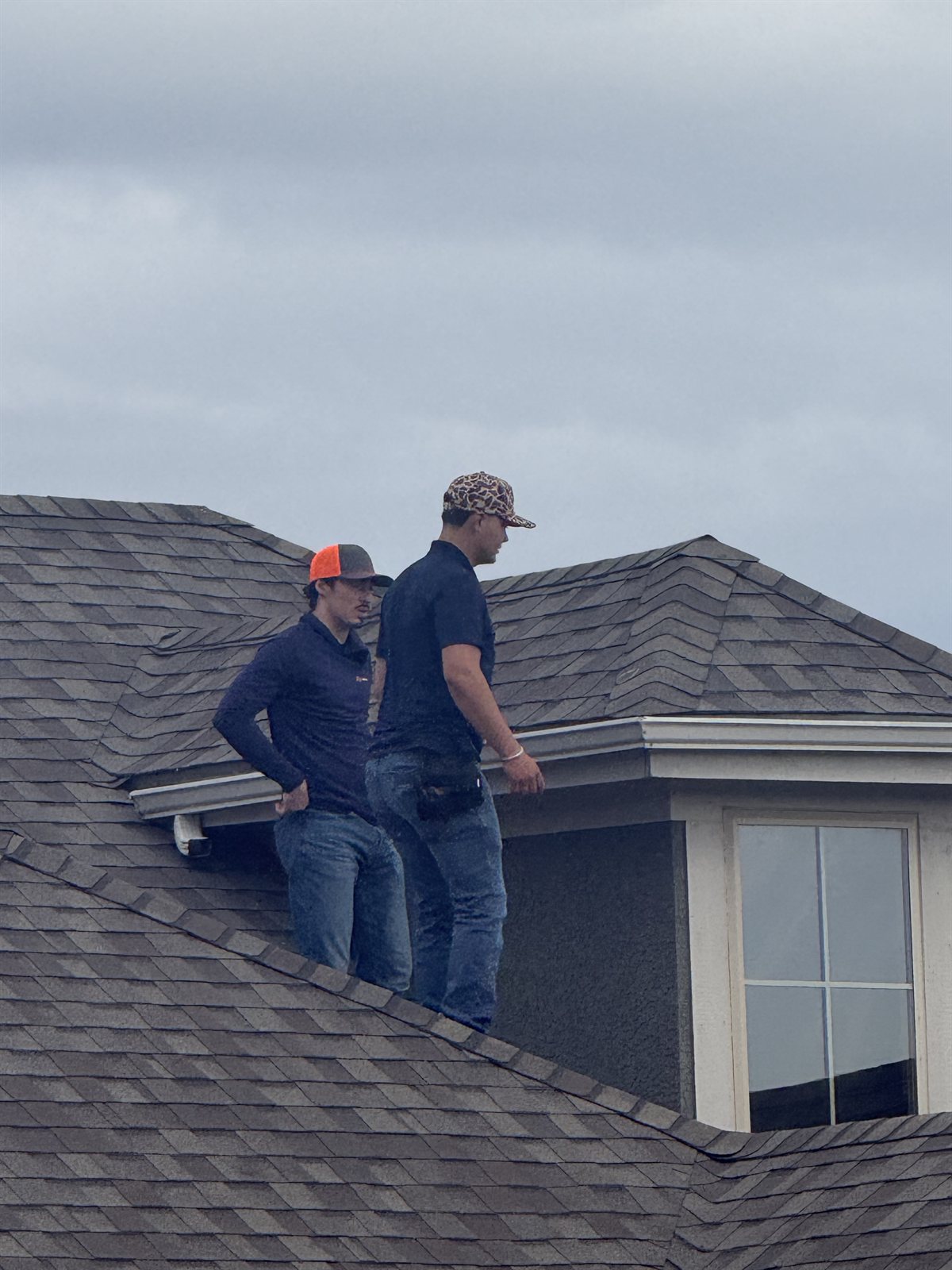
An on-roof look at the details around a dormer.
How old may a roof be before insurance claims it's too old?
There is no universal cutoff. Roof-age and valuation terms depend on the policy and insurer. Renewal decisions do too. Ask your insurer whether the policy uses replacement cost or actual cash value for your roof and how age affects those terms.
Check your declarations page for roof-specific terms, then ask the insurer to explain them in writing. MCO can document the roof's visible condition but cannot interpret coverage.
Report loss or damage to your insurer as soon as possible and answer questions truthfully. Separate what you observed from anything you do not know. Ask the insurer to explain its inspection and decision in writing.
MCO can attend the adjuster inspection to answer roof-scope questions. The insurer determines coverage and settlement.
Common roof problems in the Kansas City metro include hail impacts, wind-damaged shingles, and leaks around flashing at chimneys and vents. A roof inspection helps distinguish storm damage from age-related wear and other causes.
Payment timing and amounts depend on your policy and insurer. Ask the insurer to explain actual cash value, replacement cost, depreciation and the deductible. Do not assume every claim follows the same payment sequence.
Your deductible and coverage obligations come from your policy and insurer. Any discount and the total project cost should be documented truthfully in the written contract and final invoice. Before signing, confirm the claim treatment with your insurer.
The practical questions people are slightly embarrassed to ask.
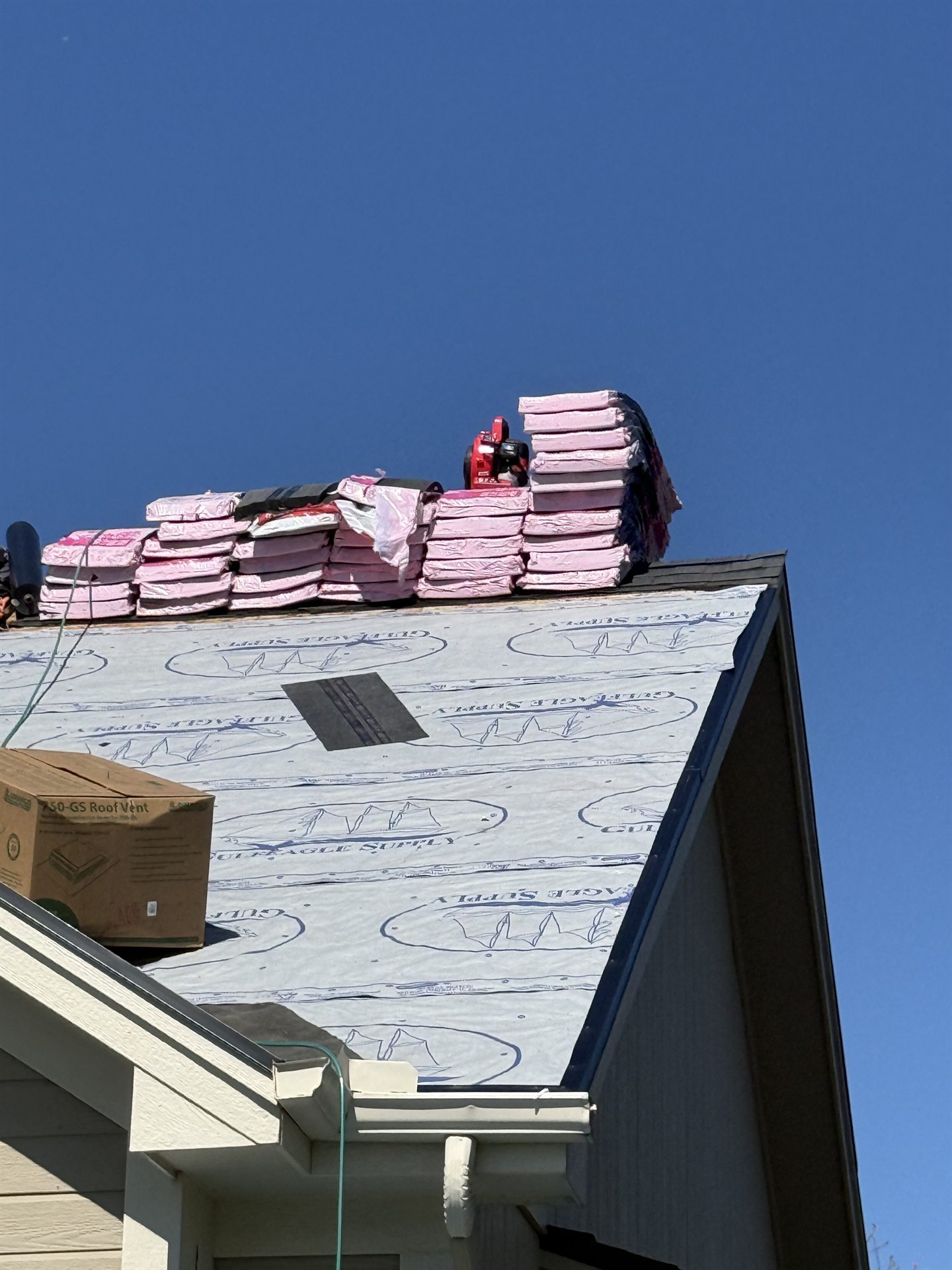
Before the shingles go on: the underlayment and staged materials during a roof replacement.
Can you stay in your house while the roof is being replaced?
Discuss access and safety with the crew before work starts. Roofing can be loud and disruptive. Plan around children, pets, remote work and anyone sensitive to noise; ask whether any conditions at your property require you to stay elsewhere.
How messy is a roof replacement?
Tear-off creates debris and nails. Agree on protection for landscaping, access routes, debris collection and cleanup before work starts. After the work, review cleanup with the contractor and report any remaining debris.
Ask where vehicles should be parked and whether fragile items should be moved before work begins.
Am I supposed to let roofers use my bathroom?
Discuss site facilities and access before work starts. Agree on any access to the home in advance so the crew and household know the plan.
Do roofers expect a tip?
Ask the company about its policy if you want to thank the crew. Review the work and communicate any concerns through the agreed project contact. An honest review can describe your own experience after the job.
What to ask for when getting a new roof?
Ask for the exact roofing product, tear-off plan, decking repair process, underlayment, flashing, ventilation and roof-edge details in writing. Confirm protection, cleanup, schedule, change approvals and the separate workmanship and manufacturer warranty terms.
Who is responsible when something goes wrong on your roof.
Can a roofer sue me if he falls off my roof?
Ask the contractor's insurance agent to send current liability and workers compensation certificates directly to you. Those certificates show the coverage the contractor carries, but they do not guarantee a homeowner's legal or insurance outcome. Ask your own insurance agent or an attorney about a specific situation.
This is the practical reason to have the certificate of insurance sent directly by their agent. It is not paperwork for its own sake.
How many roofers fall off a roof?
Roof work has serious fall hazards. Stay on the ground when documenting a concern and arrange a professional assessment instead of climbing onto the roof. Ask the contractor how it will control fall hazards and keep people away from the work area.
Leaks and roof repairs
What to do now and what an inspection can establish.
What should I do when my roof starts leaking?
Keep people away from wet areas and electrical hazards. From a safe indoor location, contain water if you can and photograph the damage. Contact a roofer about temporary protection and assessment; do not climb onto a wet roof.
Does a ceiling stain show where the roof is leaking?
Water can travel before it becomes visible indoors. Give the inspector photos, when the stain appeared and which weather conditions accompanied it. The roof, flashing and other possible entry paths need assessment before choosing a repair.
Can a damaged roof be repaired instead of replaced?
A targeted repair may be suitable when the problem is localized and the surrounding assembly can support a sound repair. Widespread deterioration or repeated problems may call for a different scope. Ask for photos and an explanation of why the proposed option fits your roof.
Missing shingles can leave parts of the roof exposed. Arrange an assessment promptly and ask whether temporary protection is needed. The urgency depends on the exposed area, surrounding condition and expected weather.
Is a temporary tarp the same as a completed roof repair?
A tarp is temporary protection. Ask what it covers, what follow-up assessment is needed and when a permanent repair can be planned. Keep photos and written records of temporary work.
Understand the findings before choosing construction work.
What should I receive after an MCO roof inspection?
MCO provides a photo report of observed roof conditions and can provide a written estimate for proposed work. Ask which areas were inspected, which were inaccessible and whether further investigation is needed. The findings help you review the scope before deciding.
What information helps a roofer investigate a leak?
Share when the leak appeared, photos taken from a safe location, whether it happens during wind or rain, and any previous repair records. Mention interior stains, attic concerns and access limitations when scheduling.
Can an inspection determine what my insurer will pay?
An inspection documents observed conditions and proposed construction work. Your policy and insurer determine coverage and settlement. Ask the insurer about reporting deadlines and what documentation it needs.
Do I have to approve a replacement after an inspection?
Review the findings and written estimate before authorizing construction. Ask the roofer to explain repair options, the recommended scope and any urgent temporary protection. MCO completes the construction work you authorize in a signed contract.
What should I compare between asphalt shingles and metal roofing?
Compare suitability for your roof slope and structure, the complete installation scope, maintenance, appearance and written warranty. Ask for estimates that identify the exact products and required accessories rather than relying on category-wide lifespan or wind numbers.
Do not treat an impact-resistance rating as a promise that a roof cannot be damaged. Ask for the exact product test information and warranty exclusions. Your insurer can explain whether that product affects your policy terms or price.
Can the new shingles match an existing roof repair?
Color, weathering and product availability can limit a match. Ask the contractor to show available samples and explain the expected appearance before approving the repair. Document any limitations in the written scope.
Should ventilation be reviewed when replacing the roof?
Ask the contractor to assess the existing intake and exhaust arrangement and explain any proposed changes. Ventilation details should suit the roof assembly and product requirements; adding a vent without assessing the system may not resolve the concern.
Know who covers which work and how to request service.
What is the difference between a workmanship and manufacturer warranty?
A workmanship warranty addresses installation work under its written terms. A manufacturer warranty addresses the product under a separate set of terms. Ask for both documents and check the covered work, exclusions, claim process and any registration requirements.
Does a lifetime shingle warranty mean my roof will last a lifetime?
No warranty label guarantees an undamaged roof for your lifetime. Read the exact written warranty for eligibility, covered defects, exclusions, proration, transfer rules and installation conditions. Keep it with your contract and product records.
Keep the signed scope, approved changes, invoices, product details, photos, any permits and inspection records, and written warranties. Ask who to contact if a concern appears and what information a service request needs.
Observe from the ground and arrange help for roof access.
How can I check my roof without climbing onto it?
From a safe ground-level position, look for missing materials, hanging gutters, debris and changes after a storm. Indoors, note new stains or water entry. Photograph concerns safely and arrange an inspection for areas you cannot assess.
What should I do about branches touching the roof?
Arrange an assessment of branches that contact or threaten the roof. Do not climb onto the roof or attempt to remove a tree resting on it. Tell the contractor about active water entry and any nearby power lines.
Blocked drainage can send water where it is not intended to go. Ask for an assessment of gutters, downspouts, roof edges and any water staining rather than assuming one visible blockage explains every leak.
Find your city and the right service for the property.
Which Kansas City metro communities does MCO serve?
MCO lists 20 city service areas across Johnson, Douglas, Wyandotte and Leavenworth counties in Kansas and Jackson County in Missouri. Check the service-area directory and provide the property address to confirm the requested work and scheduling.
Does MCO serve both Kansas City, Kansas and Kansas City, Missouri?
Yes. MCO has separate service-area pages for Kansas City, KS and Kansas City, MO. Include the state and full property address when requesting an inspection so the location and proposed work can be confirmed.
MCO has commercial and flat or low-slope roofing services. Provide the building location, roof type, access details and current concern so the team can discuss the appropriate inspection and scope.