Solar Panels and Roofing: What Kansas Homeowners Should Know
Thinking about solar? Make sure your roof is ready first. Here's what to consider before panels go up, and what happens when they eventually need to come down.
Want a straight answer about your own roof?
Free inspection, written report, no sales pitch. We cover Johnson, Douglas, Wyandotte and Leavenworth counties.
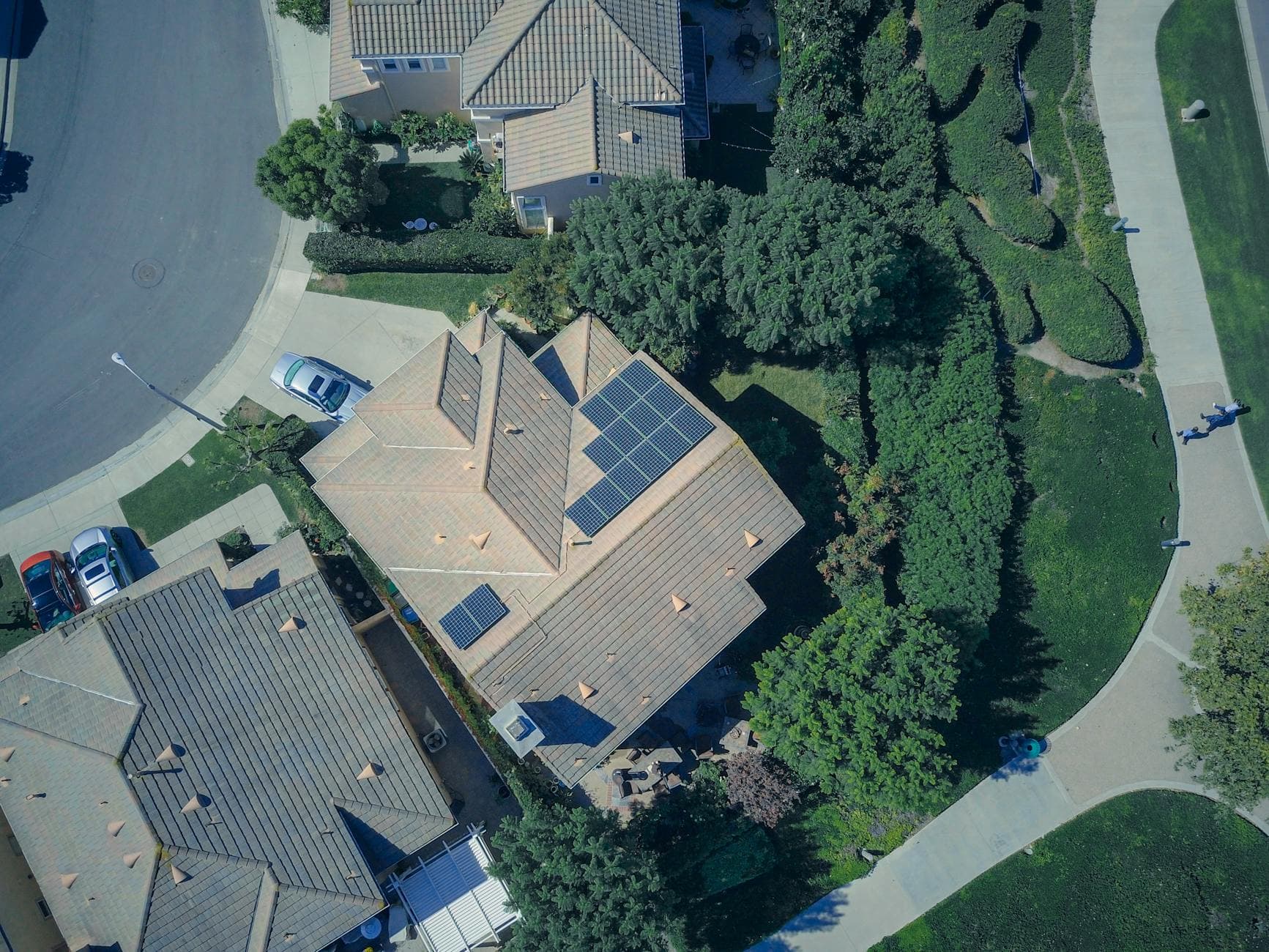
Solar panels are showing up on more Kansas roofs every year. The economics have gotten better, the technology is more efficient, and there are incentives that make the numbers work for a lot of homeowners. But here's what the solar sales reps don't always mention: your roof needs to be in solid shape before those panels go up, and there are some roofing considerations that can save you a lot of headaches if you think about them now.
Check your roof age first
Solar panels last 25 to 30 years. Asphalt shingles last 20 to 30 years. See the problem? If your roof is already 15 years old and you put solar panels on it, you're going to need a new roof in 5 to 10 years, with panels on top of it. That means paying to remove the panels, store them, replace the roof, and reinstall the panels. We've seen that process add $3,000 to $5,000 to the cost of a re-roof. If your roof has less than 15 years of life left, strongly consider replacing it before the solar install.
Weight and structural considerations
Solar panels add about 3 to 5 pounds per square foot to your roof. That doesn't sound like much, but it adds up, a typical residential solar array can add 1,000 to 1,500 pounds to your roof structure. Most Kansas homes are built to handle this, but older homes or homes with lower-grade trusses should be evaluated by a structural engineer before installation. It's a quick check and it's worth doing.
- Replace your roof first if it has less than 15 years of life left
- Solar panel mounts penetrate the roof: flashing quality matters
- Expect $3,000-$5,000 extra if panels need to come off for a re-roof
- Standard solar arrays add 1,000-1,500 lbs: check your structure
- Make sure your solar installer coordinates with a roofer on penetrations
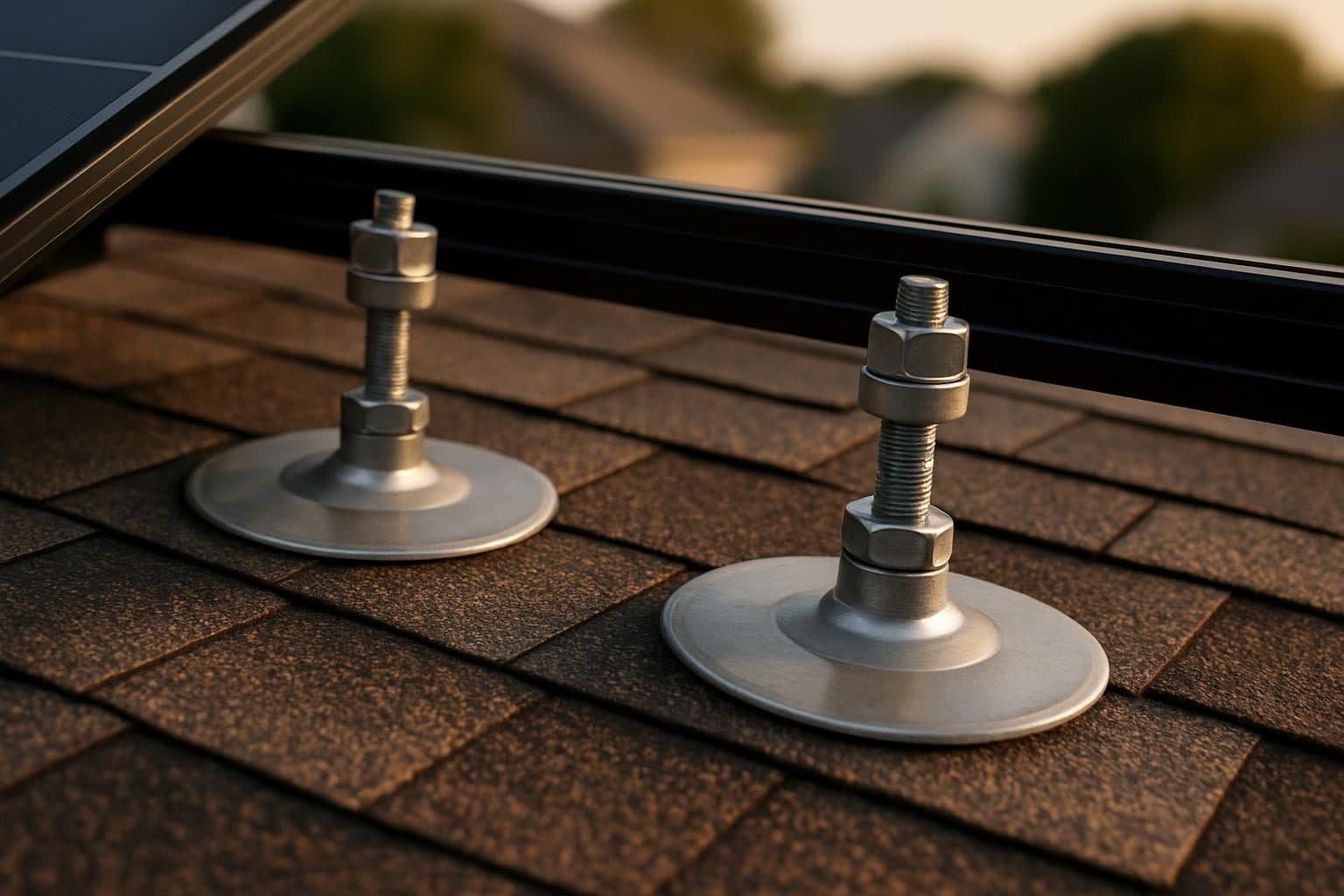
Flashing around panel mounts
This is the part that concerns us as roofers. Every solar panel mount is a bolt going through your roof. Each one of those is a potential leak point. Good solar installers use proper flashing boots and sealant around every penetration. Bad ones just caulk a lag bolt and call it done. If you're getting solar, ask the installer specifically how they flash the mounts, and make sure a roofer signs off on the penetration details. One bad mount can leak for years before you notice it under the panel.
The bottom line
We're not anti-solar, it makes sense for a lot of people. We just want homeowners to think about the roofing side of the equation before committing. A 10-minute conversation with us before the solar contract is signed can save you real money and real problems down the road.
Thinking about solar and wondering about your roof? Give us a call at (913) 954-4501 and we'll tell you where things stand.
Want a straight answer about your own roof?
Free inspection, written report, no sales pitch. We cover Johnson, Douglas, Wyandotte and Leavenworth counties.