Spring Roof Checklist: 7 Things Kansas Homeowners Should Inspect Now
Winter did a number on a lot of roofs around here. Before storm season kicks in, here are seven things worth checking.
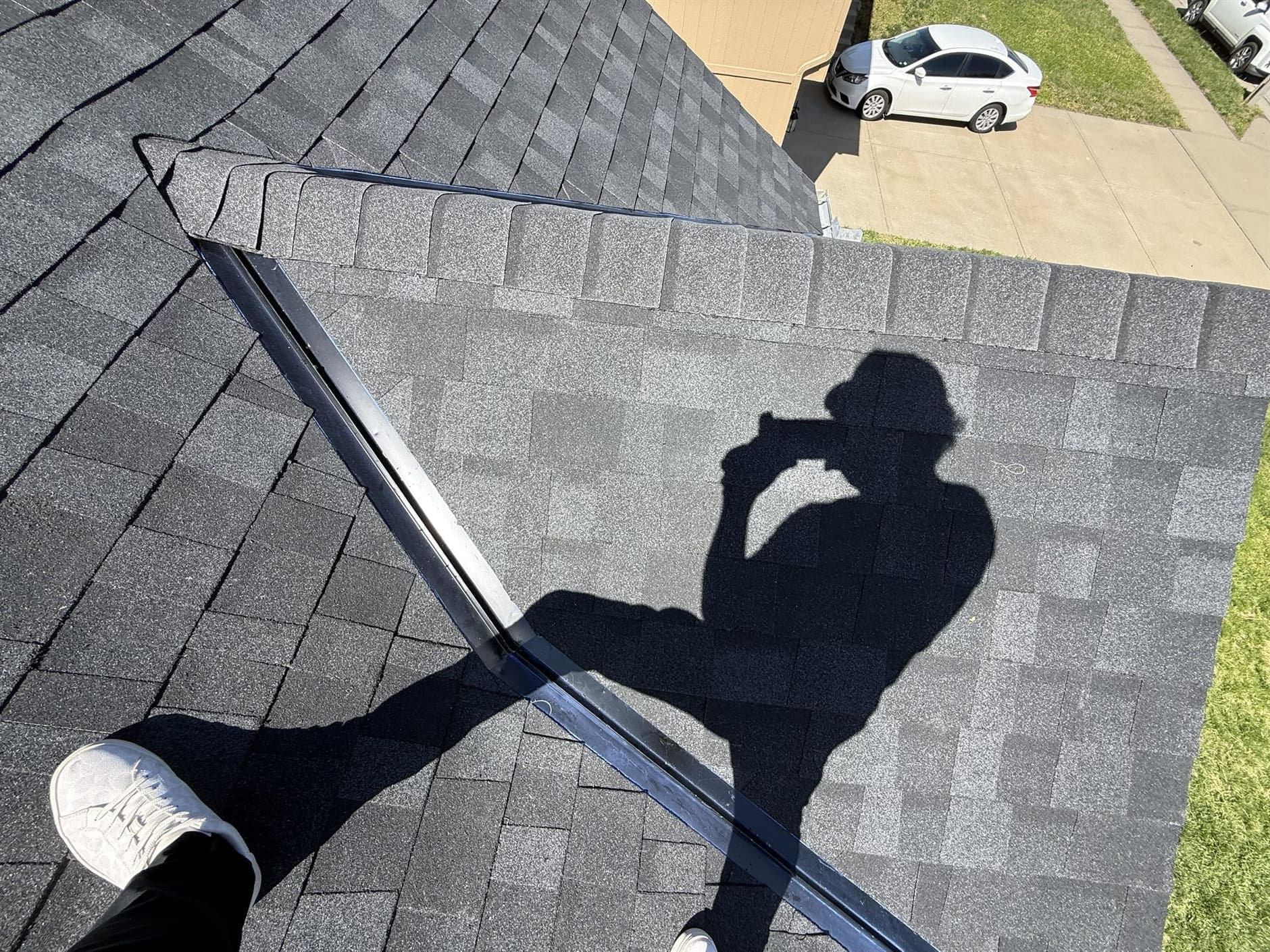
Want a straight answer about your own roof?
Free inspection, written report, no sales pitch. We cover Johnson, Douglas, Wyandotte and Leavenworth counties.
Kansas winters aren't gentle. Between the ice, the freeze-thaw cycles, and those random 60-degree days sandwiched between cold snaps that trick your roof into expanding and contracting, there's a lot that can go wrong over a Kansas winter. And most of it won't be obvious until you actually go looking.
We do a ton of inspections in the spring, and the same issues come up over and over. Here's what we check on every single roof, and what you should be looking for before storm season gets rolling.
The 7 things to inspect
- Gutters and downspouts: pull out the leaf muck and look for ice damage. If they're pulling away from the fascia, that's a winter problem that'll get worse fast.
- Flashing around chimneys, vents, and skylights: this is where most leaks start. Look for gaps, rust, or any spots where caulk has cracked and separated.
- Missing or lifted shingles: wind and ice love to peel shingles back. Even one missing shingle leaves the underlayment exposed.
- Vent boots: those rubber seals around pipe vents get brittle in the cold. If the rubber is cracked or split, water is getting in. Guaranteed.
- Soffit and fascia: check for peeling paint, soft spots, or signs of critter damage. Squirrels and raccoons love to chew their way into attics over the winter.
- Attic inspection: get up there with a flashlight. Look for water stains, daylight coming through, or any signs of moisture on the insulation.
- Tree branches: winter storms snap branches and leave them sitting against your roof. Trim anything that's touching or hanging within a few feet.
What to check when scheduling roof work
- Active water entry
- Ask about temporary protection and current response availability.
- Safe working conditions
- Plan around weather, access and the exact product's installation requirements.
- Crew and material availability
- Confirm the proposed dates and what could change them.
- Written price terms
- Check the estimate's expiry and how a scope change affects the total.
Why spring is the window
Check winter damage before the next storm. A cracked vent boot or loose flashing can let water reach the decking and interior finishes. An inspection can establish the repair scope and cost; waiting until water appears indoors may mean more work is needed.
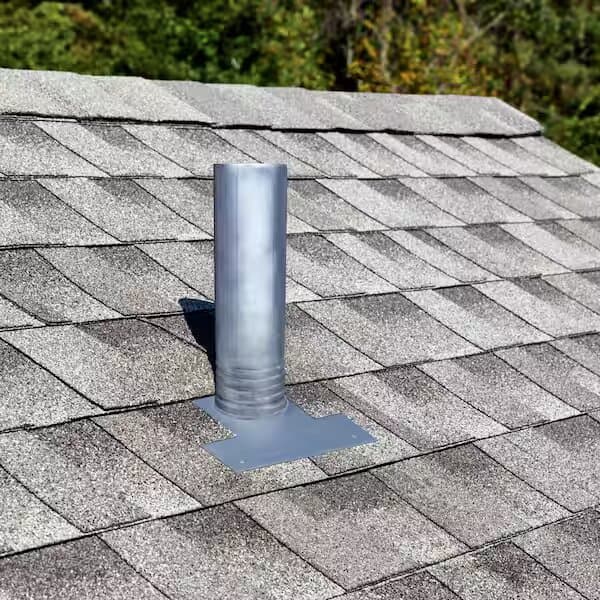
Do it yourself or call us
You can check gutters, scan for missing shingles from the ground with binoculars, and poke around the attic yourself. But anything that means getting up on the roof, flashing, vent boots, shingle condition, that's where it makes sense to call a pro. Not because you can't do it, but because you probably don't want to. Steep roofs, loose granules, and a two-story fall aren't a fun combination.
We do free spring inspections throughout Johnson County and the KC metro. Takes about 30 minutes, no strings attached. Give us a call at (913) 361-5443 and we'll get you on the schedule before things get crazy busy.
Want a straight answer about your own roof?
Free inspection, written report, no sales pitch. We cover Johnson, Douglas, Wyandotte and Leavenworth counties.