Ice Dams in Kansas: Prevention and Repair
Want a straight answer about your own roof?
Free inspection, written report, no sales pitch. We cover Johnson, Douglas, Wyandotte and Leavenworth counties.
People in Minnesota expect ice dams. People in Kansas are usually surprised by them. But we get them. Not every year, and not as severe as the northern states, but when conditions line up, they can do real damage. The reason Kansas is vulnerable is our weather pattern: we'll have a stretch of sub-freezing days, then the temp shoots up to 45 or 50, then drops again. That cycle is exactly what creates ice dams.
How ice dams form
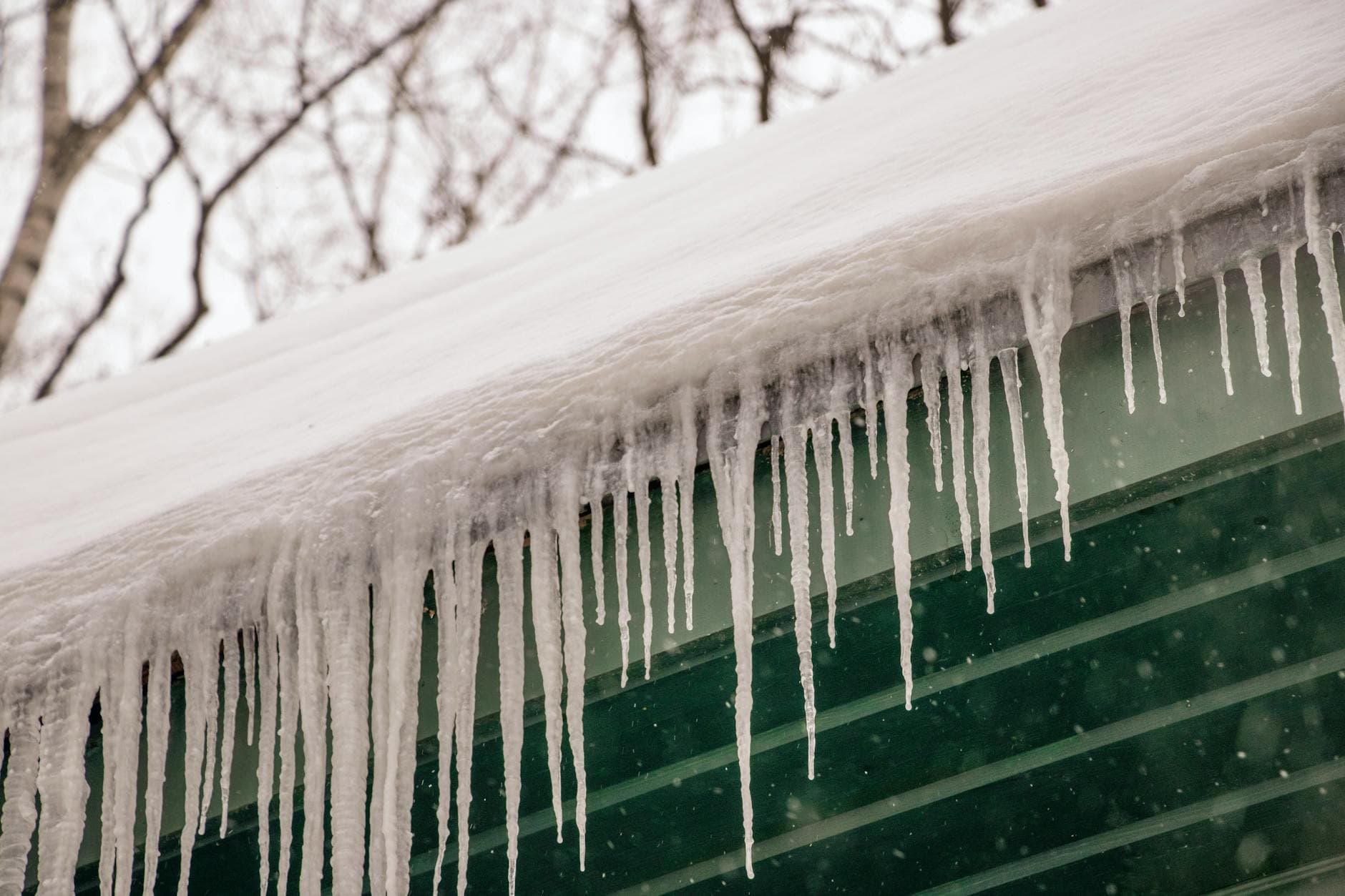
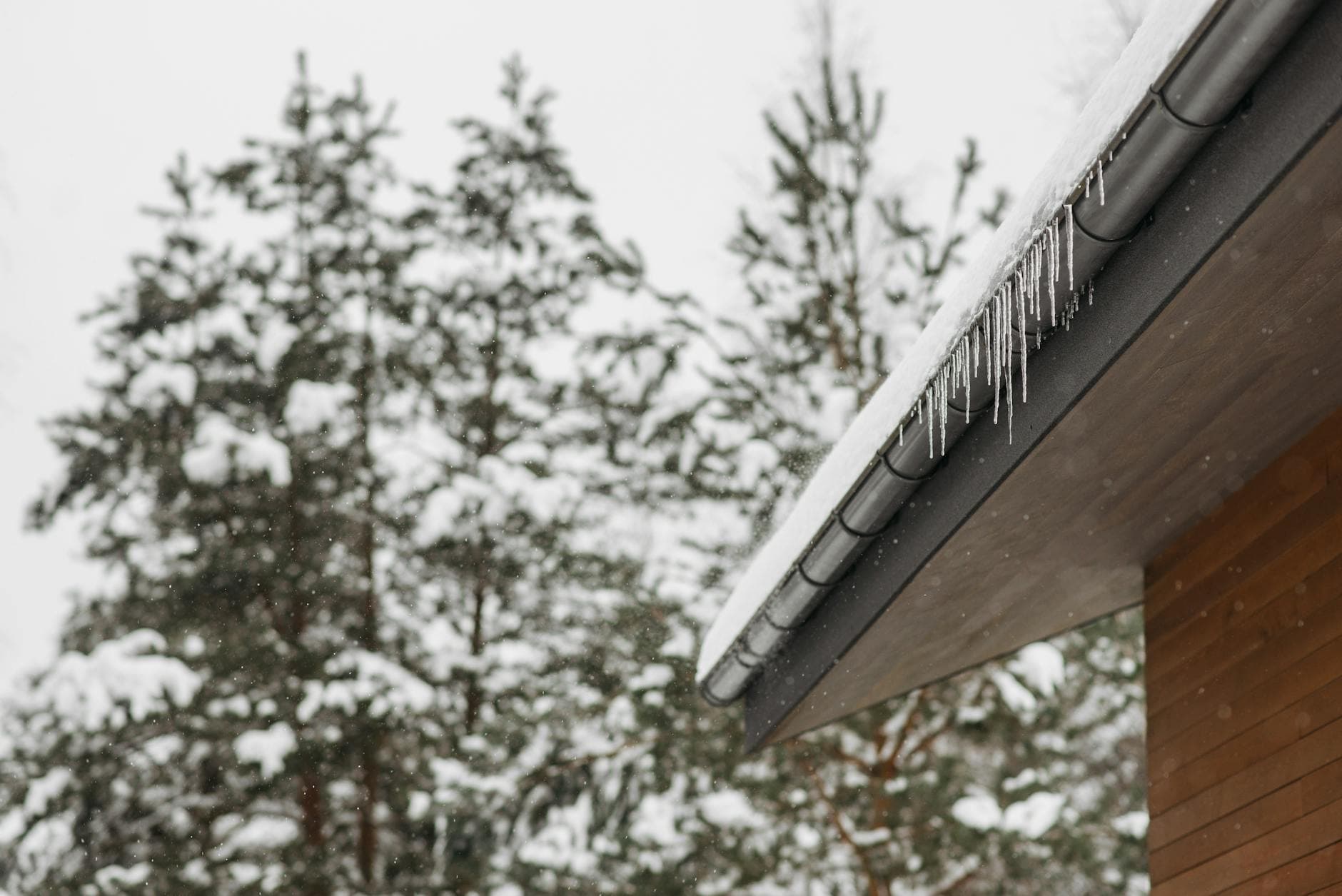
It starts with heat escaping through your roof. Snow on the upper part of your roof melts because the attic underneath is warm. That meltwater runs down toward the eaves, where the roof extends past the exterior wall. There's no heat from the house at the eaves, just cold air underneath, so the water refreezes. As more melt water flows down and refreezes, you get a ridge of ice building up along the edge. Eventually, that ice dam backs water up under your shingles, and now you've got water inside your roof system where it absolutely doesn't belong.
The damage they cause
- Water backing up under shingles and soaking into the roof decking
- Wet insulation in the attic, which loses its effectiveness and can develop mold
- Water stains and damage on interior ceilings and walls
- Gutter damage from the weight of the ice: gutters can pull right off the fascia
- Rotting fascia and soffit boards from repeated freeze-thaw exposure
Prevention is all about your attic
The fix isn't on the roof surface. It's in the attic. Two things need to happen. First, you need enough insulation on the attic floor to keep heat in your living space and out of the attic. For our climate zone, that's R-38 to R-49, which works out to about 12 to 16 inches of blown fiberglass or cellulose. Second, you need good ventilation so any heat that does reach the attic gets flushed out through soffit and ridge vents before it can warm the roof deck. Those two things together keep the roof surface cold and uniform, which means no selective melting.
Emergency fixes when it's already happening
If you've got an active ice dam and water is coming inside, you need to act fast. Calcium chloride ice melt, not rock salt, which damages roofing, can be placed in a nylon stocking and laid perpendicular to the ice dam to melt a channel for water to drain. Don't chip at the ice with a hammer or hatchet. You'll damage the shingles and make things worse. And don't go up on an icy roof. Seriously. Call a professional. We can get up there safely, remove the ice, and deal with whatever damage it's caused. Give us a call at (913) 954-4501.
Want a straight answer about your own roof?
Free inspection, written report, no sales pitch. We cover Johnson, Douglas, Wyandotte and Leavenworth counties.